
The dream home begins with locating the appropriate financing. The best home building loans are useful in financing new constructions effectively. It is important to know the various types, lenders, eligibility, and options for repaying the loan in order to make a wise choice. This guide by Lord Mortgage and Loan will not only deconstruct the best home building loans and understand their usefulness, but will also give actionable tips to enable you to select the correct choice of financing solution to build your new home.
Exploring the Best Options for New Construction Financing
Depending on your project requirements, budget, and timeline, home building loans are different. Understanding how a building loan vs. a home loan works and which fits your situation is key to getting the right funds and manageable terms of repayment for your new home.
Construction-to-Permanent Loans: Best Home Building Loans for Seamless Transitions
Construction-to-permanent loans can be used to fund the construction process and automatically transform into a standard mortgage at the conclusion of the construction. They are construction loans that are funded with a long-term mortgage in a single closing that include interest-only payments throughout the construction process, with flexible fixed or adjustable payments subsequently.
Construction-Only Loans: Flexible Short-Term Funding with Competitive Construction Loan Rates
Construction-only mortgages fund the construction part and must be secondly closed when the permanent mortgage. Such loans give the flexibility to the borrower to negotiate with other mortgage rates and lock in favorable construction loan rates, yet it involves a number of closings and an increase in paperwork, which may add to the overall cost and effort during the construction process.
Self-Construction / Owner-Builder Loans: Take Full Control of Your New Home Build
Self-construction loans or owner-builder loans are targeted at persons who are running their own construction process. They need the experience in the management of construction and approval by the lender, which gives the borrowers more freedom to schedule, budget, and even manage the materials and every detail of the new home project.
Government-Backed Construction Loans: Affordable Building Loan vs Home Loan Options for Every Buyer
The loans that are supported by the government offer reduced down payments to successful borrowers. FHA mortgage loans have a small down payment, and VA mortgage loans usually have zero down payment for veteran buyers, and USDA mortgage loans are 100 percent financed in rural regions — making these some of the most accessible home building loans available — and this makes constructing a new home affordable to more people.
Alternative and Hybrid Solutions: Spec Home Construction Loans & Beyond
Land purchases, renovations, or partially completed constructions can be financed using alternative and hybrid loans. Spec home construction loans are particularly popular among investors and builders developing properties for future sale. Lot loans, home equity lines, and 203k renovation loans are also to be added to the traditional construction loans, which provide flexibility to purchase land, renovate existing properties, or to handle the unusual construction situations that include a combination of multiple financing needs.
Key Factors to Compare When Choosing the Best Home Building Loans
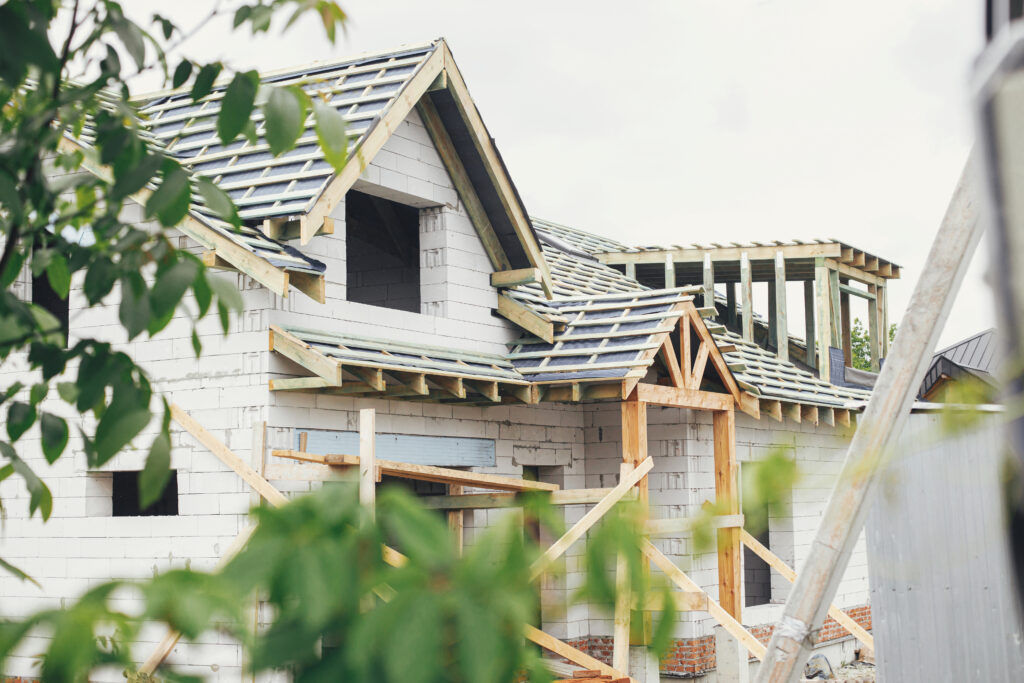
Choosing the appropriate home building loan is a matter that must be looked into keenly. Knowing interest rates, fees, types of loans, schedules, and eligibility will mean that your project will not go over budget, and delays will not occur, as well as your long-term plans and goals of owning a home.
How Construction Loan Rates Impact Your Total Borrowing Cost
Construction loan rates have a great influence on the overall borrowing costs when building and when changing to a permanent mortgage. By comparing the fixed and the adjustable rates and by comprehending the length of the term, as well as calculating any changes in the rates, you are likely to arrive at decisions that would allow you to choose a loan that is not only affordable but also stable in terms of finance.
Down Payment and Financing Requirements: Building Loan vs Home Loan Differences Explained
The minimum down payment and financing plan depend on the type of lenders and loans. One major difference in the building loan vs home loan debate is the upfront equity requirement — construction loans typically demand more. Budget and financial assessment will help you determine that you can satisfy the needs of lenders, receive a reduced interest rate, and not spend as much money as possible on upfront expenses that may interfere with the construction or organizational work of the project.
Additional Fees and Contingency Planning: Protecting Your Construction Budget
Fees are usually involved in construction loans, including inspections, disbursements of draws, and administration of loans. Taking this into account, in addition to setting aside contingency funds to cover any unanticipated costs, is the reason why your project will have a financial basis and will be able to withstand delays or other significant construction problems that may arise unexpectedly.
Conclusion
Proper selection of a home building loan is the key to a successful construction process and financial stability. With the knowledge of the types from spec home construction loans to government-backed options, comparison of the lenders, and the planning of your project, you will be able to construct your dream house without the needless hassles. With proper planning, making the right decisions, and budgeting, you are guaranteed that your new construction project will remain on time and accommodate your long-term financial objectives.
FAQs:
Do the best home building loans come with higher interest rates?
Construction loan rates are typically higher than normal mortgages since the construction risk is not permanent, and the term of the loan is also shorter. However, shopping around for competitive construction loan rates can significantly reduce this premium.
Is it possible to change the lender once the construction loan has been approved?
Yes, however, changing lenders can take reappraisal, new underwriting, and even fees, so plan beforehand before it is approved.
What is the duration of a construction loan approval?
The approval process normally takes 2–6 weeks based on lender conditions, complexity of projects, and documentation such as builder contracts and elaborate plans of construction.